
AI for Predictive Analytics: Forecasting Customer Behavior
Discover how AI is revolutionizing predictive analytics, providing insights into future customer behavior and trends.

Discover how AI is revolutionizing predictive analytics, providing insights into future customer behavior and trends.

The advent of web3 technologies has brought about a revolutionary change in the way we conduct transactions and interact with digital assets. With the integration of artificial intelligence (AI) into the mix, the economic outlook appears increasingly promising. This post delves into the future of smart contracts, their applications, and the impact AI could have on their development and economic potential.
Smart contracts are self-executing contracts with the terms of the agreement between the buyer and the seller directly written into lines of code. They facilitate, verify, and enforce the negotiation or performance of a contract, without the need for intermediaries like banks, lawyers, or notaries. Smart contracts run on blockchain networks, such as Ethereum, ensuring trust, transparency, and immutability.
Smart contracts have the potential to revolutionize finance and banking by automating processes like loan disbursement, payments, and insurance claims, while reducing costs, delays, and fraud. They can also enable decentralized finance (DeFi) applications, such as lending platforms, stablecoins, and decentralized exchanges.
By leveraging smart contracts, companies can automate and streamline supply chain processes, track product provenance, and ensure transparency and trust among stakeholders. They can also facilitate automated payments upon meeting predefined milestones or conditions.
Smart contracts can be used to automate property transactions, reducing paperwork, costs, and the risk of fraud. They can also facilitate fractional ownership, allowing individuals to invest in real estate assets without the need for large capital outlays.
Smart contracts can help manage patient data, consent, and access to medical records in a secure and efficient manner. They can also automate insurance claims processing, reducing costs and waiting times for patients.
AI technologies can be leveraged to create more efficient and secure smart contracts, by detecting vulnerabilities and predicting potential issues before they occur. AI can also aid in the development of more sophisticated and complex smart contracts, enabling new use cases and applications.
AI can enhance the functionality of smart contracts by automating decision-making processes based on predefined criteria and real-time data analysis. This can help optimize transactions, reduce human error, and drive increased efficiency in various industries.
Integrating AI with smart contracts can enable more personalized user experiences in applications like DeFi, gaming, and e-commerce. AI-driven smart contracts can analyze user behavior and preferences to tailor recommendations, offers, and incentives, resulting in more engaging and relevant interactions with users.
AI can significantly improve the security of smart contracts by monitoring transaction patterns and detecting suspicious activities in real-time. This can help prevent fraud, hacks, and other malicious activities, further instilling trust in the technology and its applications.
The future of smart contracts and their integration with AI technologies appears bright, with immense potential to transform various industries and reshape the economic landscape. As AI continues to advance and web3 technologies mature, we can expect smart contracts to become even more versatile, efficient, and secure, unlocking new possibilities and driving innovation in the decentralized economy.
As an investor, it is crucial to stay informed about the latest developments in smart contracts, AI, and web3 technologies, as they hold the key to unlocking significant value and growth opportunities in the coming years.

Founded in 1983, Silicon Valley Bank (SVB) was the go-to bank for tech entrepreneurs in the San Francisco Bay Area. However, in recent years, SVB faced several challenges, leading to its eventual failure in 2022.
One of the primary reasons behind SVB’s failure was its inability to adapt to the changing landscape of the startup world. As the Bay Area startup ecosystem grew and diversified, SVB failed to keep up with the pace of change. Additionally, SVB’s focus on the tech industry made them vulnerable to the ups and downs of the tech industry, which proved to be a double-edged sword.
Moreover, increased competition from other banks and financial institutions offering similar services to startups further added to SVB’s woes. The emergence of new financing options for startups, such as crowdfunding and ICOs, also threatened SVB’s core business of providing venture debt and equity financing to startups.
SVB’s failure has significant implications for the startup community.
SVB’s failure highlights the importance of diversification for startups. Startups should not rely on one financial institution for all their needs but should seek out multiple partners to reduce their risk.
SVB’s failure should serve as a reminder to startups that they should always be prepared for the unexpected. Even the most reputable institutions can fail, and startups should have contingency plans in place to mitigate the impact of such failures.
SVB’s failure is a wake-up call for startups to be more discerning in choosing their financial partners. While SVB had a strong reputation for supporting startups, its failure serves as a reminder that no institution is too big to fail.
SVB’s failure is a cautionary tale for the startup community. While it presents a loss for the startup world, it also provides an opportunity for startups to learn from its mistakes and build a stronger, more resilient ecosystem.
By diversifying their sources of funding, being prepared for the unexpected, and being discerning in their choice of financial partners, startups can reduce their risk and build a more secure future for themselves and the wider startup community.


Simply put – NFT wash trading occurs when one entity buys or sells the same asset multiple times in a short period to deceive other market participants about an asset’s price or liquidity.

There is a reason we go back time and time again to our favorite apps!

Your target audience is a group of people who are all interested in the same hobby, product, or service. Knowing your target audience is not only crucial for video production but also for any business that wants to be successful.

So how far would you go to make your day to day purchases easier?

Five Tips You Need To Make The Most Of Your Video Content
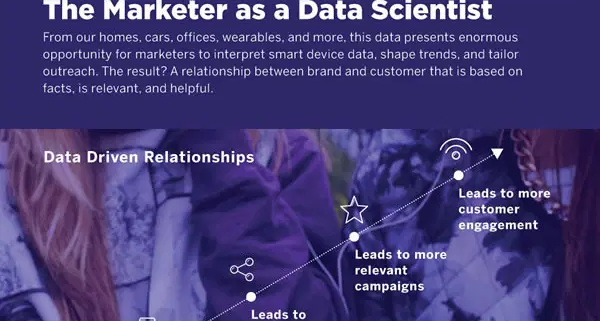
Better connectivity leads to better insights…